
CAFE AND RESTAURANT LIGHTING
WE DESIGN LIGHTING THAT CREATES ATMOSPHERE, ENHANCES THE INTERIOR AND PROVIDES COMFORT FOR GUESTS
“In a restaurant, lighting shapes the atmosphere even before a guest places an order”
LIGHT AS PART OF THE RESTAURANT CONCEPT
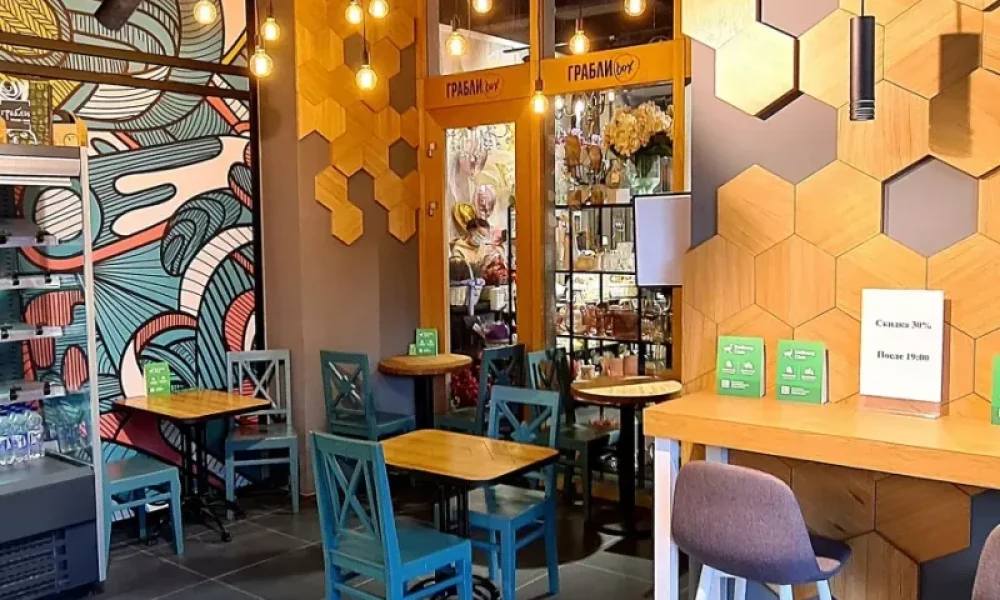
Lighting in a cafe or restaurant should work together with the interior, architecture and brand concept. It influences how the space is perceived, sets the mood and level of comfort during a guest’s visit.
Properly designed lighting helps highlight key interior areas, create the right atmosphere and simultaneously provide sufficient lighting for functional zones.
NLT Trade develops lighting solutions taking into account the format of the venue, layout, interior materials and the way the space is used.
DIFFERENT ZONES — DIFFERENT LIGHTING NEEDS

Dining Area
Soft and comfortable lighting creates atmosphere and emphasizes the interior concept.

Bar & Counter
Accent lighting helps highlight the bar area, equipment and key design elements.

Tables & Seating Areas
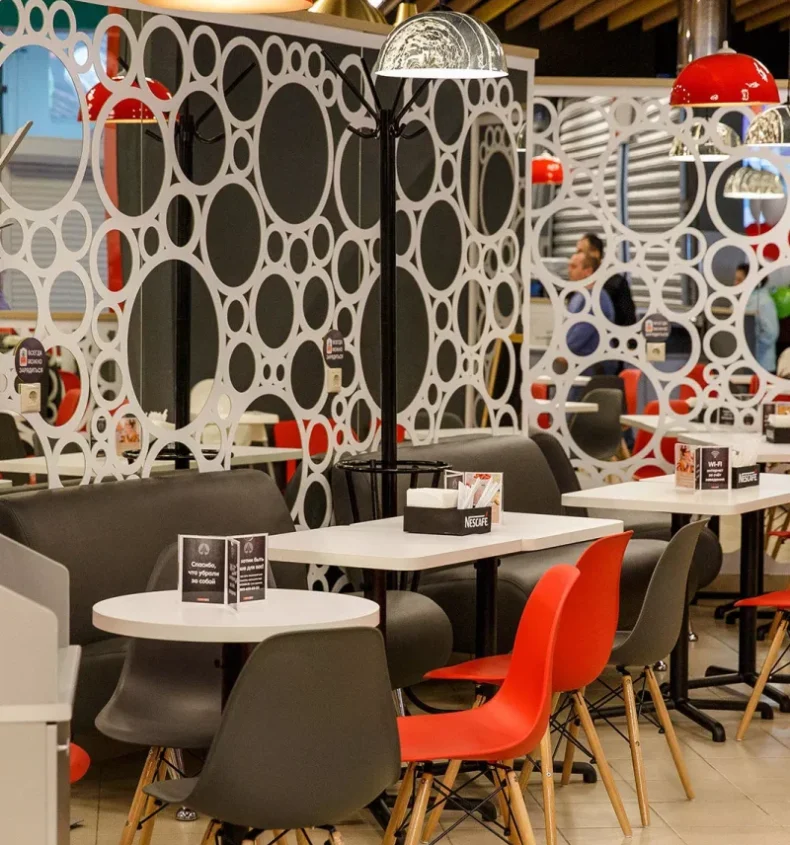
Local lighting creates visual comfort and helps shape a more intimate atmosphere.

Kitchen & Working Areas
Functional lighting with good color rendering and sufficient illuminance for safe and precise work.
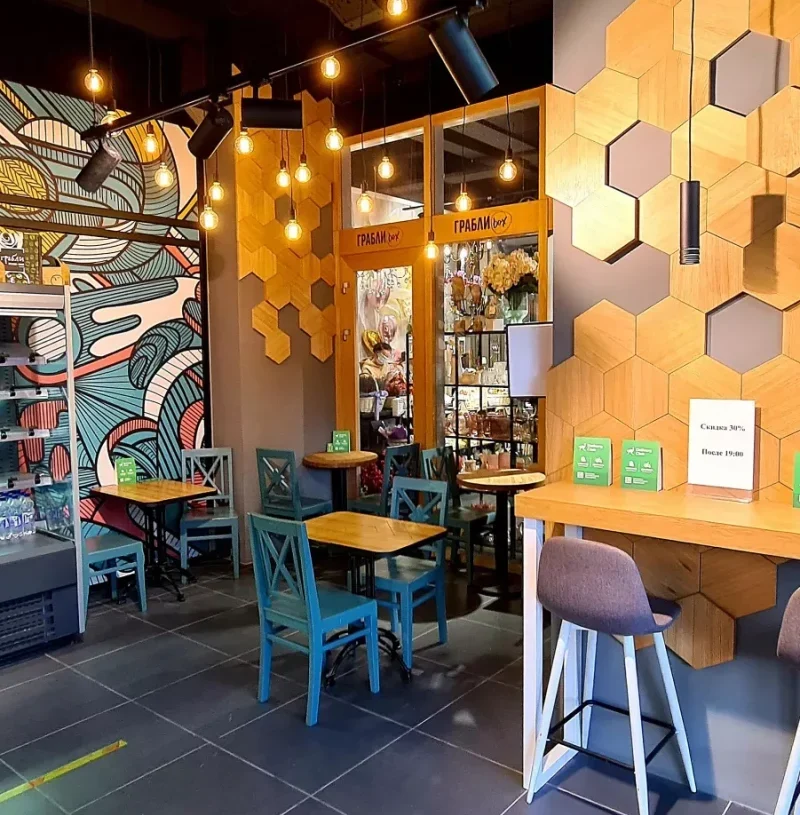
Restaurant lighting requires a combination of decorative and functional light. Different zones use different illuminance levels, color temperatures and lighting accents, but together they should create a unified lighting environment.
NLT Trade designs lighting scenarios that provide comfort for guests and support the everyday work of the venue’s staff.
LIGHT THAT CREATES ATMOSPHERE
For cafes and restaurants, not only the maximum brightness is important, but also the right balance of general, accent and decorative lighting.
When designing, we consider color temperature, color rendering index, light distribution, dimming options and interaction between lighting and finishing materials.
We select luminaires and lighting control scenarios so that the space can change its atmosphere depending on the time of day and the venue’s operating format.
NATURAL APPEARANCE OF FOOD AND PRODUCTS
High-quality color rendering helps preserve the natural shades of food, beverages and products on display. This is especially important for open kitchens, bars, display cases and areas where the visual presentation of food is part of the concept.
For such areas, we select light with high color rendering and an appropriate color temperature.
FREQUENTLY ASKED QUESTIONS
What color temperature is suitable for cafes and restaurants?
Warm or neutral-warm light is most commonly used in guest areas to create a comfortable atmosphere. The exact color temperature depends on the interior, materials and concept of the venue.
Should different lighting scenarios be used throughout the day?
Yes. Daytime, evening and nighttime modes can differ in brightness and accents. Lighting control and dimming systems make it possible to adapt the lighting to the time of day and the venue’s operating format.
How should tables be illuminated?
Lighting should provide good visibility of food and guests’ faces without creating glare or discomfort. Local or accent light sources with suitable optics, anti-glare filters and appropriate mounting heights are used for this purpose.
What lighting is required for the kitchen?
Kitchen work areas require more uniform illumination, good color rendering and the absence of pronounced shadows. Specific parameters are determined according to the purpose of the work areas and kitchen layout.
Can restaurant lighting be upgraded without a complete renovation?
Yes. In many cases, part of the existing electrical infrastructure can be retained while replacing luminaires or the lighting control system. The scope of modernization is determined after analyzing the property.
What information is required to develop a lighting project?
A floor plan, furniture and equipment layout, ceiling heights, interior visualizations or design materials, and information about the intended operating scenarios should be provided. Any missing information can be clarified during the initial project discussion.
OUR CONTACTS
We are happy to answer any questions you may have. Use the contact information below or submit your inquiry using the contact form.
EMAIL:
PHONE:
TELEGRAM: