GROCERY STORE LIGHTING

WE DESIGN LIGHTING THAT ENHANCES PRODUCT QUALITY, CREATES A COMFORTABLE ENVIRONMENT AND HELPS CUSTOMERS NAVIGATE THE STORE

“In a grocery store, lighting influences not only how products are perceived, but also the atmosphere, customer comfort and the character of the retail environment”

ge-gsl-b-01
ge-gsl-b-01

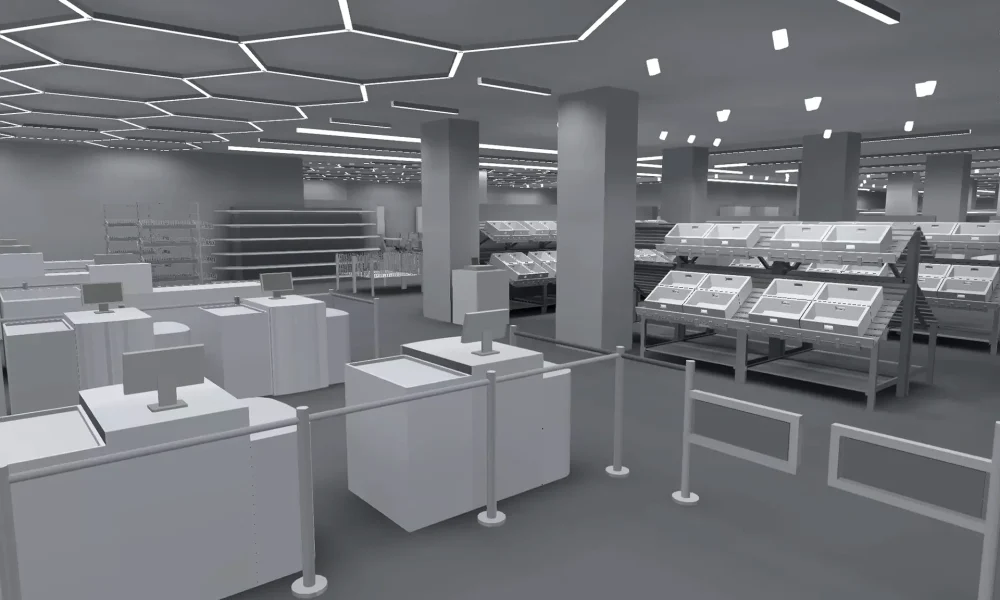
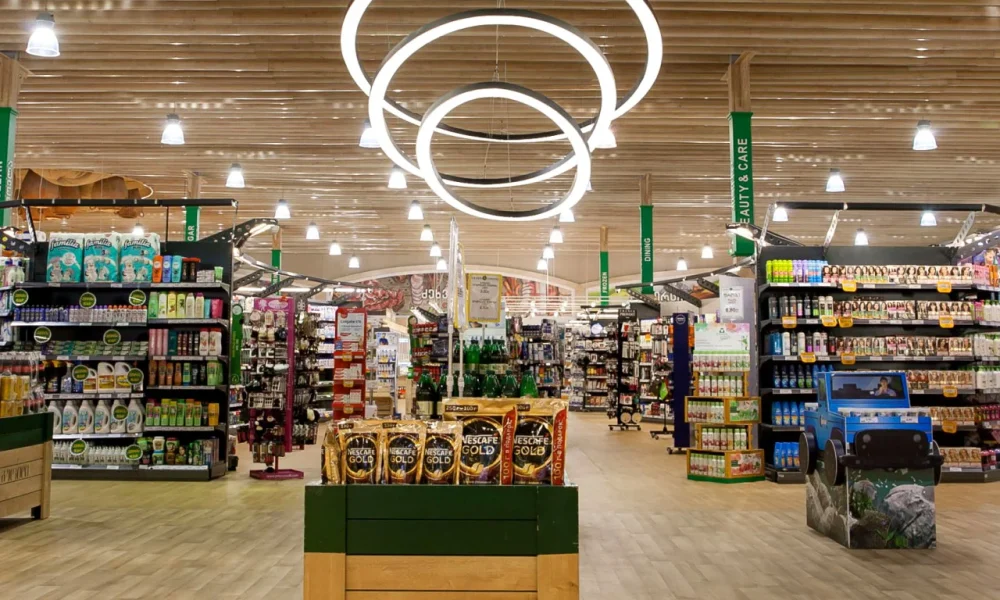
LIGHT AS PART OF THE RETAIL SPACE

Grocery store lighting should provide comfortable visibility, accurately reproduce product colors and create an attractive retail environment.

We design lighting taking into account the store layout, ceiling heights, equipment placement, product categories and customer movement through the space.

Properly selected lighting helps reveal the natural colors of products, improve the visual presentation of merchandise and make the sales area more attractive to customers. Lighting becomes an important part of the overall store concept and a tool that supports sales.

DIFFERENT ZONES — DIFFERENT LIGHTING NEEDS

ge-gsl-b-02-01

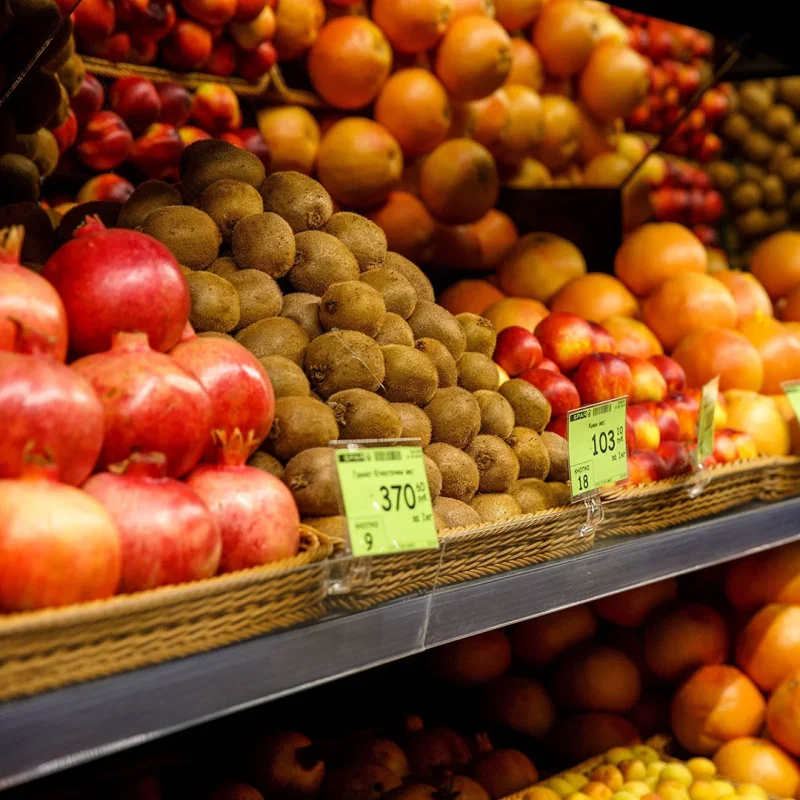
FRUIT & VEGETABLES

Natural reproduction of rich colors and freshness, enhancing the natural appeal of products.
ge-gsl-b-02-02

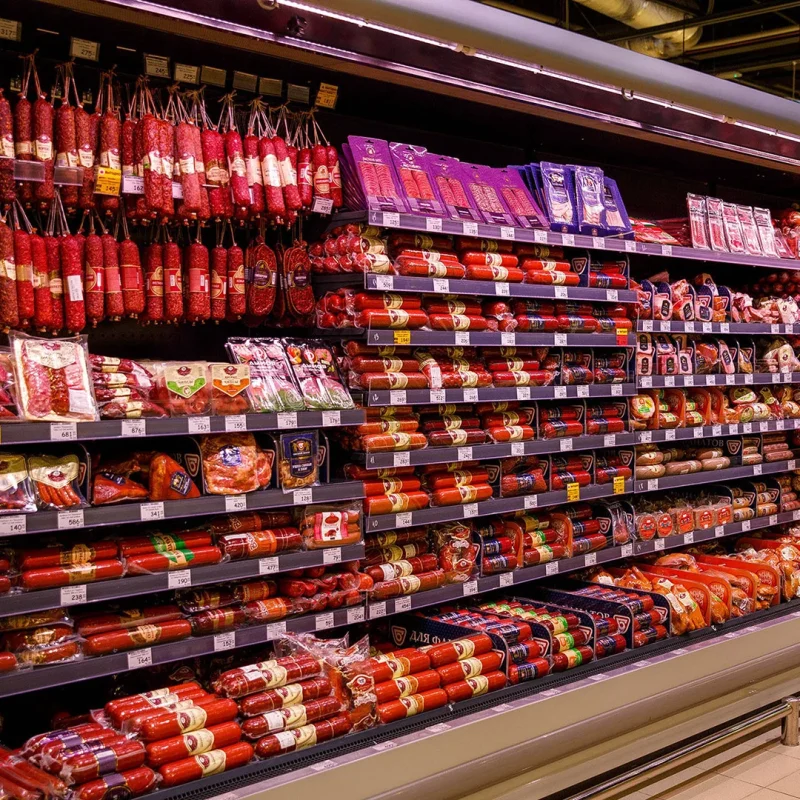
MEAT PRODUCTS

A spectrum that enhances natural red tones without visually distorting the product.
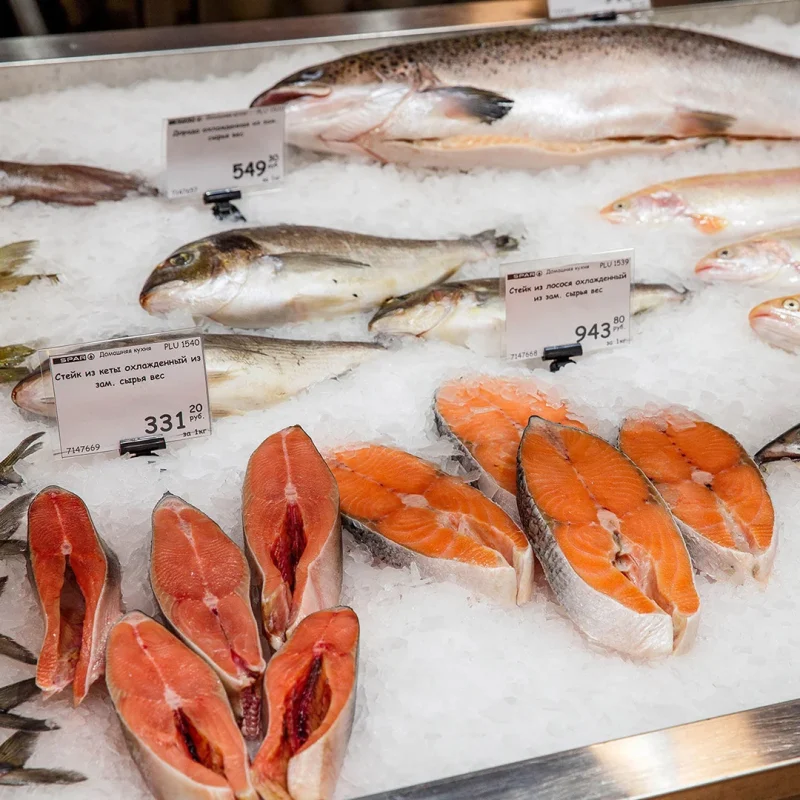
ge-gsl-b-02-03

FISH & SEAFOOD

Clean light maintains freshness and accurately reproduces the natural colors and texture of products.
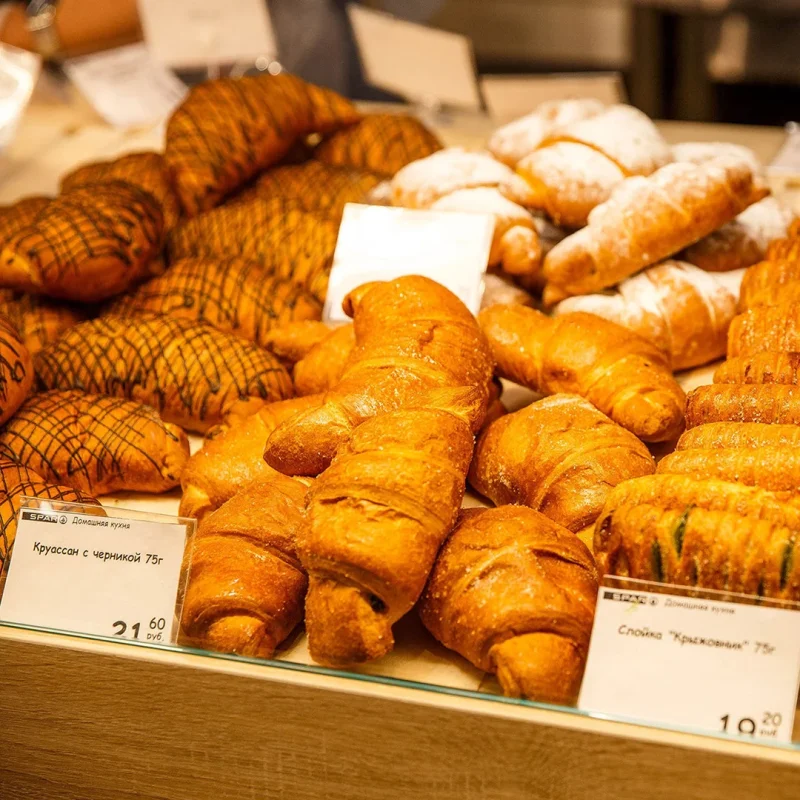
ge-gsl-b-02-04

BREAD & BAKERY

Warm light that emphasizes golden tones and the texture of baked products.
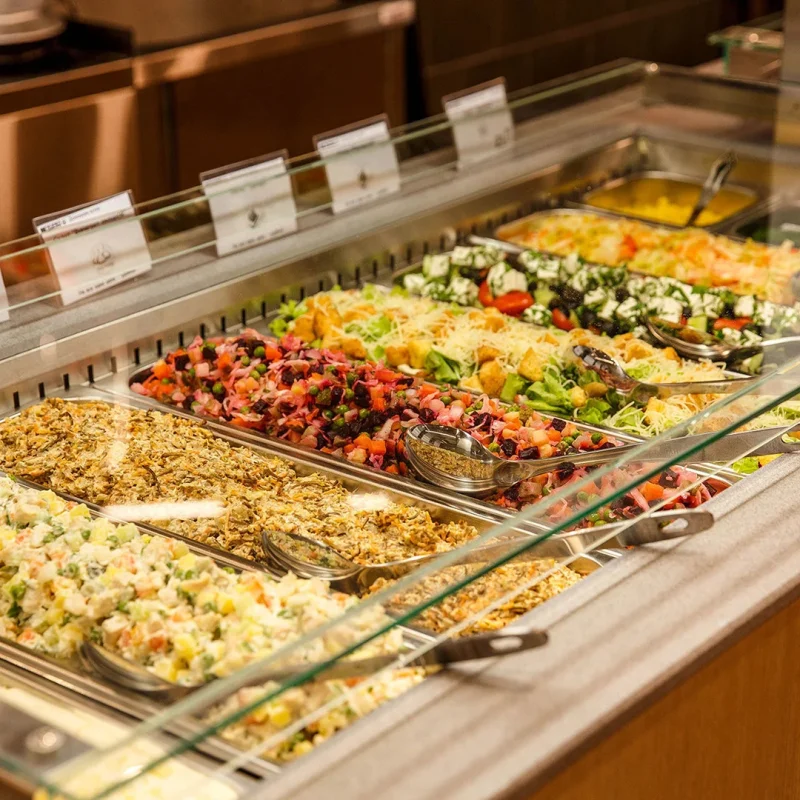
ge-gsl-b-02-05

DELI & PREPARED FOOD

Expressive display lighting and comfortable visual evaluation of prepared products.

ge-gsl-b-02-06

GENERAL AREAS

Uniform lighting, comfortable navigation and good visibility throughout the space.

A single lighting scenario is not enough for an entire grocery store. Different product categories have different requirements for spectrum, color rendering, light direction and intensity. Therefore, we consider each zone individually while maintaining a coherent lighting environment throughout the store.

This approach helps reproduce product colors and textures naturally, highlight key merchandise areas and simultaneously provide comfortable, uniform illumination of general spaces.

ge-gsl-b-03
ge-gsl-b-03

LIGHTING DESIGNED FOR EACH STORE

1. LIGHTING CALCULATIONS
We verify illuminance levels and lighting uniformity.

2. OPTICS & LUMINAIRE POSITIONING
We direct light precisely where it is needed.

3. COLOR RENDERING & SPECTRUM
We select lighting characteristics for different product categories.

4. ENERGY EFFICIENCY
We consider system power and long-term operating costs.

PROJECT OUTCOME

COMFORTABLE LIGHT FOR CUSTOMERS

ACCURATE PRODUCT PRESENTATION

WELL-DESIGNED LIGHTING SYSTEM

ENERGY-EFFICIENT LIGHTING SOLUTIONS

FREQUENTLY ASKED QUESTIONS

What color temperature is suitable for a grocery store?

There is no single color temperature suitable for the entire store. Neutral light is often used in general areas, while warmer or cooler tones may be selected for individual product categories. The final parameters are determined according to the products, interior, equipment and overall store concept.

Yes. Different product categories require different lighting characteristics for natural color rendering and attractive visual presentation. Meat may benefit from a spectrum with an enhanced red component, fish from cleaner and cooler light, bakery products from warm light that emphasizes golden tones, while rich and natural color rendering is particularly important for fruit and vegetables.

Lighting is selected according to the construction of the display, product placement, distance to the merchandise and reflective surfaces. It is important to provide sufficient brightness without glare or overexposure, while selecting optics and spectrum that reproduce product colors and textures naturally.

Energy consumption can be reduced through efficient LED luminaires, properly selected power and optics, rational equipment placement and lighting control systems. When modernizing existing properties, savings compared with the previous system can be significant and are determined individually after analyzing the property.

Yes. In many projects, existing track systems, suspended structures or connection points can be retained while replacing the equipment with modern LED luminaires with appropriate optics and lighting characteristics. The scope of work is determined after analyzing the existing system.

To begin, it is preferable to provide a floor plan with dimensions and ceiling heights, retail equipment layout, information about product zones and the existing lighting system. If some information is unavailable, we will determine the required input data during the initial project discussion.

OUR CONTACTS

We are happy to answer any questions you may have. Use the contact information below or submit your inquiry using the contact form.

SEND US A MESSAGE